






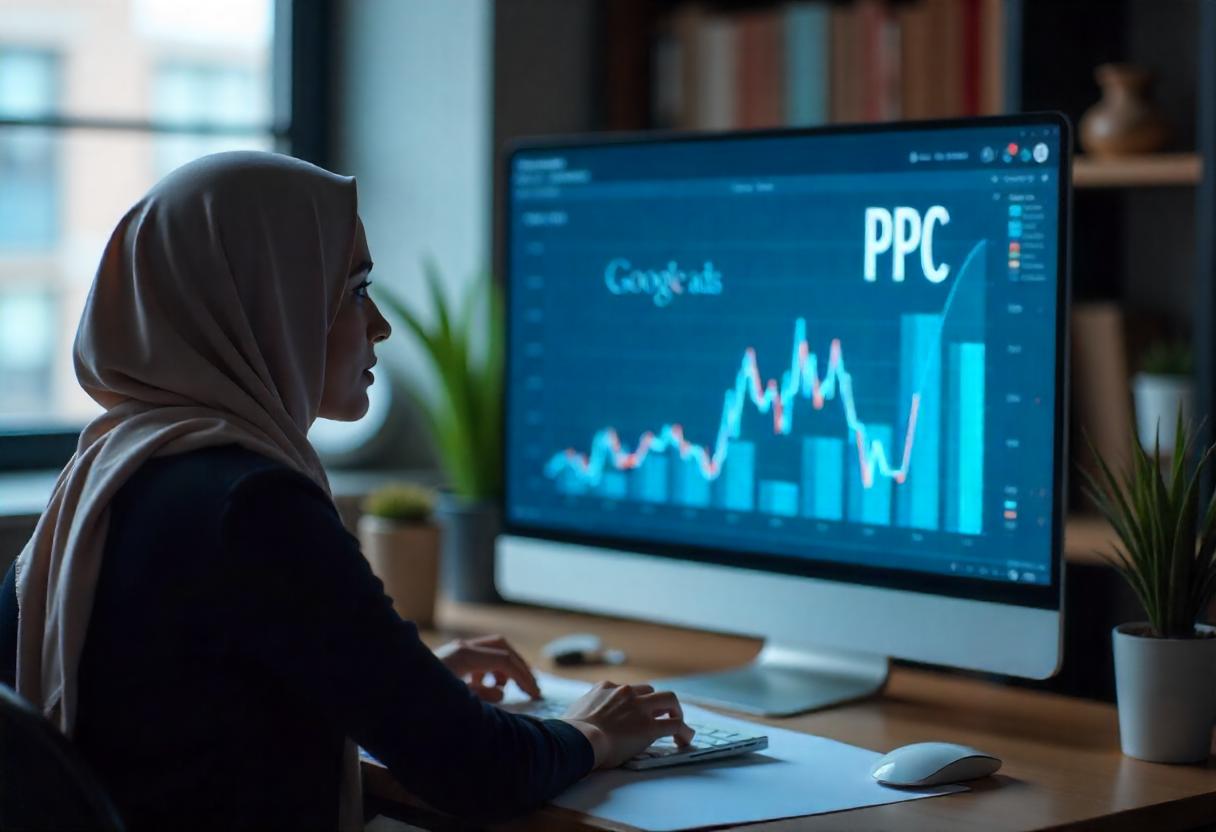
As the market is evolving at an unprecedented pace, consumer behaviors have become a dynamic force that induces marketers to always challenge their strategies to cope with this ever-shifting landscape that has made adopting new and more targeted marketing techniques inevitable.
Among the flow of these strategies, Pay-Per-Click (PPC) advertising stands out as a powerful tool that works well not only for being a cost-effective solution but also enabling marketers to accurately target their audience.
This blog will cover the main and most important areas of this marketing term, highlighting what is it and how it works, why is it beneficial, and common PPC platforms.
What is pay-per-click PPC marketing and how it works?
Pay-per-click or PPC advertising, is a type of online advertising where the advertiser pays for each time someone clicks on their ad, this means that the advertiser only pays when there is actual interaction from the user, such as clicking on the ad to visit the advertiser’s website. The goal of this type of advertising is to increase traffic to the advertiser’s site or achieve other objectives that rely on actual interaction from the audience.
PPC is a form of targeted advertising where ads are shown to users actively searching for specific products or services. It is an effective method for businesses to generate website traffic and only pay for actual visits, making it a measurable and controllable form of online advertising.
Setting up a successful PPC campaign goes as the following:
Define campaign objectives and select the campaign type.
Customize settings for targeting options like audiences and locations.
Set a budget, choose a bidding strategy, enter your landing page URL, and create your ad.
Benefits of PPC advertising approach
PPC marketing has the potential to attract new customers and drive business growth by targeting specific audiences and directing them to high-value pages aligned with your objectives. Benefits include efficient audience targeting, quick results driving traffic on the same day of tunning the campaign, budget control, detailed insights for tracking and measuring purposes, brand awareness, and synergy with SEO for enhanced online visibility. This cost-effective approach ensures you reach the right individuals, control spending, pay per interaction, and gain valuable insights for tracking and measurement. Not only does PPC generate conversions, but it also increases brand exposure even when users don’t click on the ad. The collaboration of PPC ads and SEO further boosts online visibility.
Pay-per-click advertising could be a highly effective strategy if done right with proficiency.
Common PPC platforms:
The primary and most common form of PPC advertising is through search engines like Google Ads. However, PPC ads can be run in various locations, such as social media platforms (Facebook, Instagram, Twitter,.), banners on websites are also places where you can run your ad, and videos on YouTube, in addition to marketplaces like Amazon.
Highlighting Google PPC ads:
Google Ads is the biggest platform for pay-per-click advertising. With Google handling over 99,000 search queries per second, there is a high probability that your ad will be viewed by your target audience, leading to potential customers and profits.
Google Ads’ paid advertisements have higher fees due to Google’s unmatched global popularity as the supreme search engine.
Understanding some of the terms related to PPC advertising
- Cost-per-click (CPC): A metric for PPC that measures the cost an advertiser pays for each click on their advertisement
- Bidding: Refers to the process in which advertisers set the maximum amount they are willing to pay for a click. it is an important part of PPC advertising as it determines the position and visibility of ads in search engine results or on different online platforms.
- SEM: Search engine marketing is a broad term that includes SEO (unpaid) and PPC (as paid) strategies. Its goal is to enhance a brand’s visibility and performance on search engines.
- SEO: Search engine optimization is the process of improving the quality and quantity of website traffic organically
Bottom line:
In today’s competitive online landscape, reaching your target audience requires a strategic and targeted approach. Pay-per-click advertising (PPC) is a powerful solution for businesses seeking immediate visibility and drive qualified leads. With PPC, you only pay when users click on your ad, making it a cost-effective way to maximize your return on investment (ROI).
NDS offers digital marketing services in Saudi Arabia that can help you design and implement a customized PPC campaign that aligns with your business goals and budget.
Get in touch with Neural Design studios for digital solutions and unlock the potential of Pay-per-click advertising by collaborating with a competent, highly skilled team.